




Advertisement
Advertisement
With spooky season just around the corner, many true crime enthusiasts are gearing up to dive into a slew of spine-tingling documentaries.
This will likely include The Ed Gein Story, the newest installment in Ryan Murphy's Netflix 'Monsters' series, which explores one of the world's most notorious serial killers, as well as Disney+'s Murdaugh: Death in the Family, centered on the South Carolina murder scandal that captivated America in 2021.
However, in anticipation of this winter's eerie new releases, a psychologist has issued a caution about the excessive consumption of true crime and the potential impact on mental health.
Advert
"You might become extremely anxious, or even depressed because of the true crime content you're watching," Chivonna Childs, a psychiatrist from the Cleveland Clinic, recently told Mindsite News. "That's when it becomes harmful to our mental health."
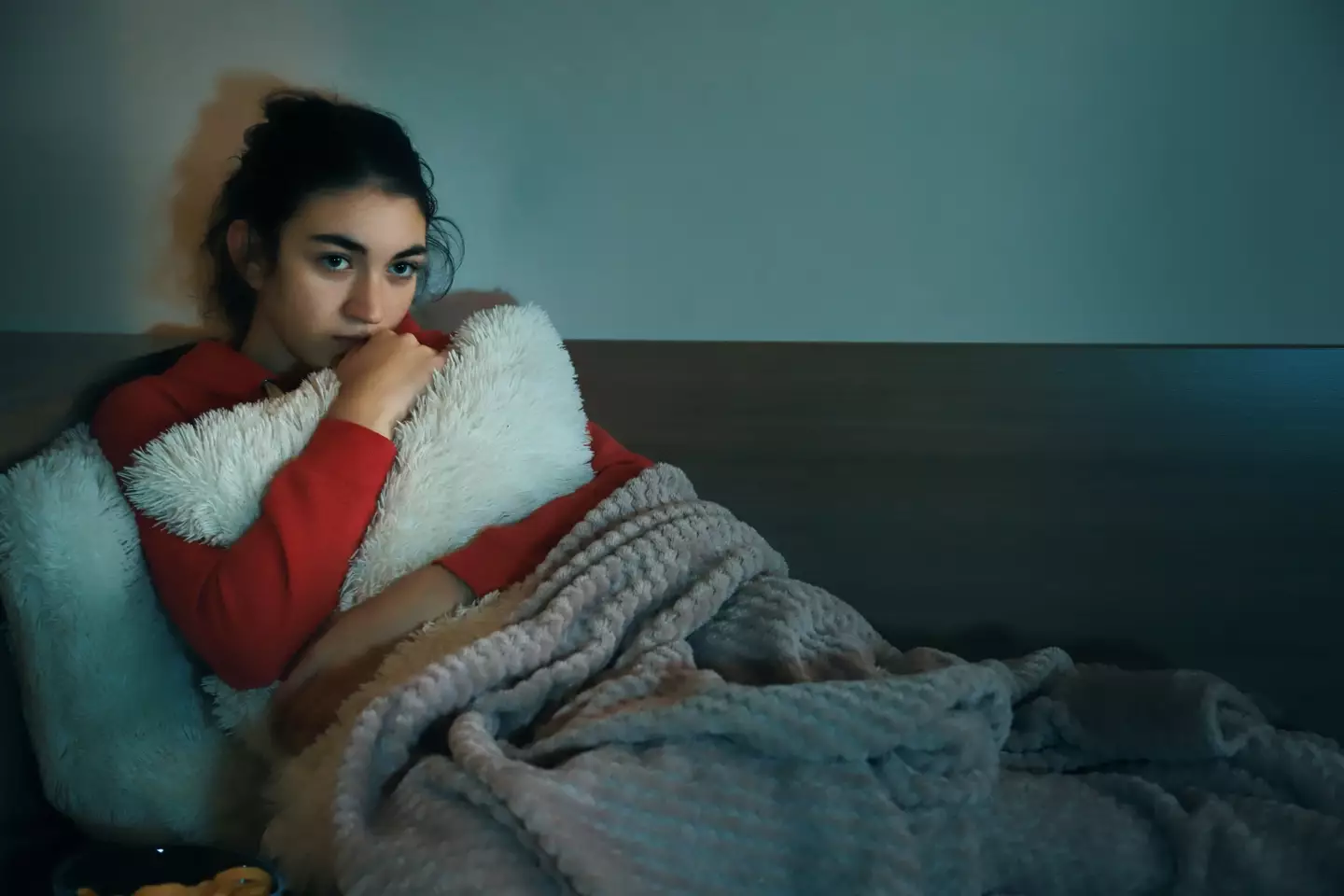
Delving into the details, she explained that engaging with real-life crime stories can induce paranoid thoughts in consumers. They may start imagining potential danger lurking everywhere, even in the most ordinary situations, and could develop a fear of the outside world.
While she acknowledges that being aware of one's surroundings is beneficial, Childs warns that excessive vigilance is not.
Advert
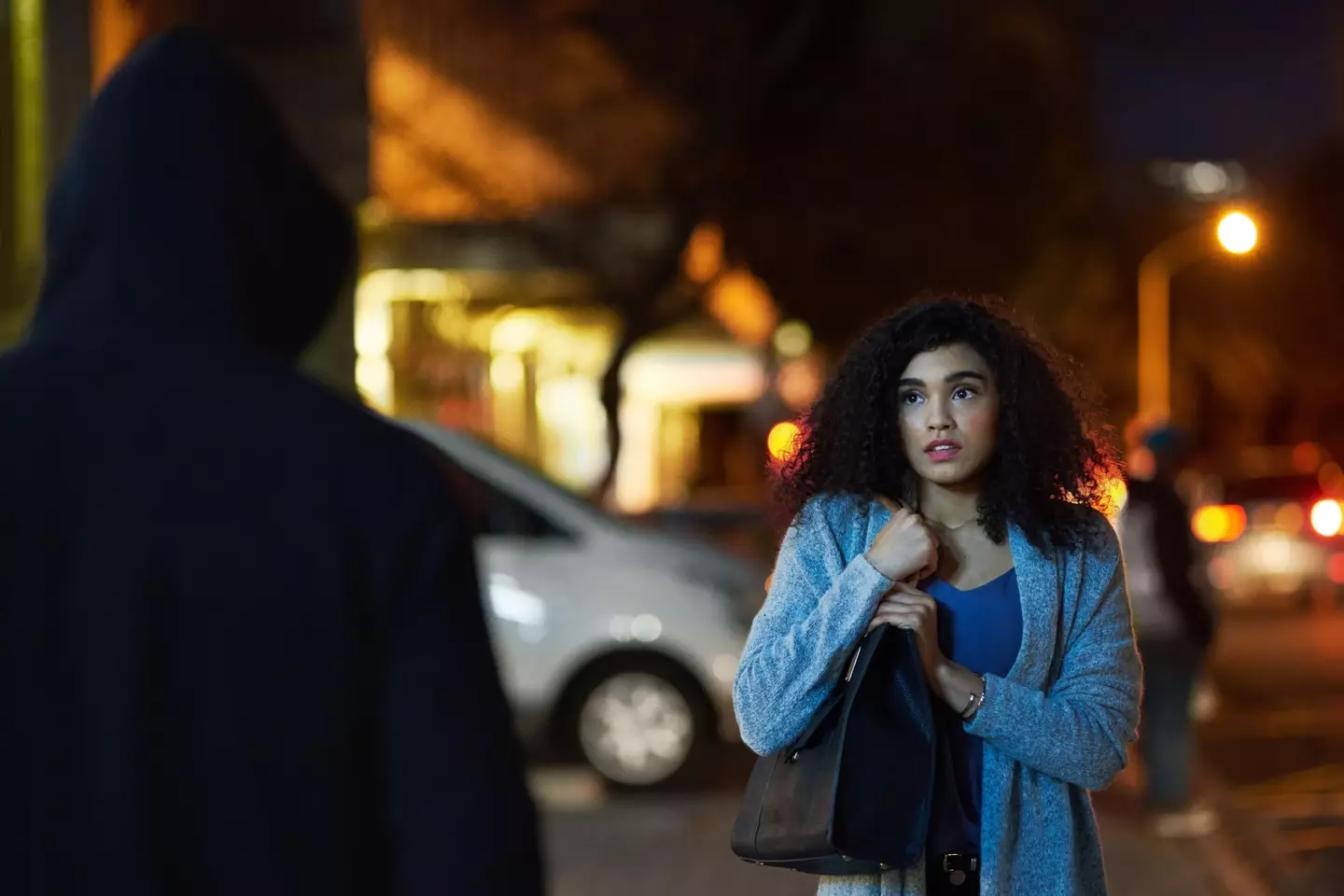
"[This] is when you’re overly jumpy, and everything seems to frighten you," she said. "You start to think there’s a killer around every corner, or that every white van hides a killer."
The psychologist also pointed out that this isolation often extends to other people, as many true crime series depict killers known to their victims.
These are often neighbors, friends, or even family members.
Advert
"We might begin to treat others differently, even those who have done nothing wrong but resemble someone from a true crime show," she said. "This can lead to isolation, avoiding social interactions, or not engaging with others.
"We might even avoid crossing the street when we see someone who looks 'suspicious'.
New Yorker true crime journalist Rachel Monroe agrees, noting that such shows often neglect to remind viewers of how rare serial killers actually are today.
She also told the outlet: "If you're constantly reading about terrible things happening to others, it starts to feel like it's everywhere, even when it's actually quite rare.
Advert
"Stories about serial killers are incredibly popular, but in terms of actual crime statistics, individuals are more likely to be harmed by someone they know – a family member or someone close – rather than a random stranger."
Monroe continued: "The focus on certain crimes can lead to a skewed perception of what real danger looks like."
She adds that this is especially true for women, who tend to consume more true crime content than men.
Advert
Offering insight into this phenomenon, the author continued: "As a society, we often glamorize murderers even as we denounce them. Thus, women who engage with this culture can be just as susceptible to its allure."
A study published in the Archives of Sexual Behaviour in 2021 supports this assertion, revealing that 'women who were more fearful of rape reported consuming true crime media more frequently'.
The study also suggested that this consumption 'was specifically driven by the desire to learn strategies to prevent or escape an attack' – and while Childs agrees that this isn't necessarily negative, such material should be consumed in moderation.
"We have the free will to decide whether or not to watch something," the expert continued. "We must be mindful of what we feed our minds."
Offering advice to true crime enthusiasts, Childs concluded: "If you find yourself losing sleep, having nightmares, losing appetite, feeling more depressed, or avoiding social interactions, these could be signs of anxiety and depression.
"I advise people to watch cartoons, listen to uplifting music, or watch feel-good TV. Ensure you have a balanced mix and avoid overconsumption of any one thing."
Advertisement
Advertisement


Advertisement


